Home Blog Page 5

Best Places to See chimpanzees in Africa

0

Chimpanzees are a joy to watch. It is no wonder that seeing these incredible primates in the wild is on so many bucket lists. Spending an hour with a family of chimps can be a truly grounding and life altering experience. Africa is the best continent in the world to see chimpanzees in the wild and there are only a few excellent spots in East Africa which gives tourists from all over the world the best chances of finding them.

Chimpanzees can be found in forests and roam anywhere from sea level to around three thousand metres above it. They are very mobile primates making it hard to predict how far up the mountain they may be when you trek to see them so your trek may be five minutes or five hours! They like savanna woodlands, grassland-forest and tropical thick bush forest and generally move where the food is.

What is chimpanzee trekking?

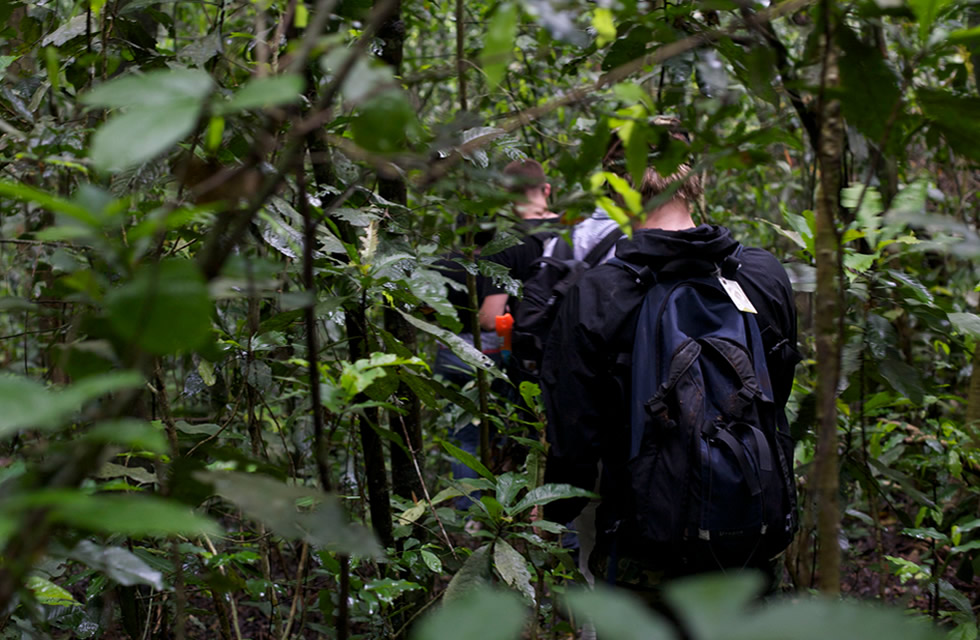
Chimpanzee trekking, one of the most popular wildlife activities in Uganda, allows you to step into the world of chimpanzees in the wild. Uganda Wildlife Authority Interpretive Rangers lead a small group (maximum of 8) into the realm of the chimps.

The treks last about three hours and include a maximum of one hour with the chimps, during which you can expect to see them from a safe but intimate distance of 8-10 metres. Get up close and personal with the chimpanzees and discover their beauty, intelligence, and social structures.

The best places to see chimpanzees in Africa

Kibale Forest National Park Uganda

Kibale Forest is an undisturbed tract of tropical rain forest, set in a beautiful area of undulating green hills interspersed with volcanic crater lakes.

Within the forest little light filters down to the foot of the massive trunks smothered in lichen, whilst above epiphytes sprout off tree branches and lianas hang from the canopy down to leaf litter. Due to its location at the meeting point of the wet rain forests of West Africa and the drier East African forest, Kibale supports an unusually rich array of tropical plants and animals.

Often visited by tourists who go on Uganda safaris, Kibale is home to the greatest variety and highest concentration of primates in East Africa. There are 13 primate species found within the forest including chimpanzees, red-tailed monkey, L’Hoest’s monkey, blue monkey, grey-cheeked mangabey, red colobus and black-and-white colobus. There is also a healthy population of larger mammals including lion, leopard, elephant and buffalo, although the dense vegetation means that these are not commonly sighted.

Nyungwe national park Rwanda

It extends for 970 square kilometres over the mountainous southwest of Rwanda and protects the largest single tract of montane forest remaining anywhere in East Africa. As such, it is a remarkably rich centre of biodiversity, harbouring 75 mammal species, 275 bird species, 120 butterflies and more than 100 varieties of orchid.

The main attraction of Nyungwe is the primates. Chimpanzee tracking can be arranged and several other monkeys are readily seen, including the Ruwenzori colobus in troops of up to 400 strong (the largest arboreal troops in Africa) and the beautiful and highly localised L’Hoest’s monkey. In addition to these there are silver monkeys, golden monkeys, owl-faced monkeys, red-tailed monkeys, grey-cheeked mangabeys and more.

Nyungwe is also highly alluring to birders, the forest home to 26 Albertine Rift and endemic bird species. The stunning blue turaco is often seen gliding through the trees and forest hornbills can be heard wailing through the canopy.

Mahale Mountains national park Tanzania

The Mahale Mountains are the best place in Africa to track and observe wild chimpanzees. There is a population of around 1,000, one troop of which, the Mimikire clan, have been habituated to humans. Totally wild, this clan of 70-100 individuals can be tracked and observed from close quarters. Climbing up the leafy tracks in the misty morning and hearing your first shriek of a chimpanzee is a sound you will never forget. Crouching low, you can watch them grooming, drinking and playing. It is possibly one of the most intimate wildlife experiences known to man.

After a morning of chimpanzee-tracking you return to the shores of Lake Tanganyika, where sugar white beaches slope into gin-clear waters. There are over 500 species of cichlid fish in the lake in every colour of the rainbow and snorkelling and floating among them is the ultimate relaxation.

Kyambura Gorge Queen Elizabeth National Park Uganda

A delightfully secret cleft in the surface of the otherwise flat savannah bordering Queen Elizabeth National Park, Kyambura Gorge is the third most popular chimp trekking destination in Uganda.

Situated in the far east of the Queen Elizabeth National Park, Kyambura Gorge is nicknamed ‘the valley of the apes. The product of centuries of erosion by the Kyambura River, the dense forest which covers the gorge sides is a prime habitat for chimpanzees.

As an experienced Ugandan Wildlife Authority guide leads you into this secret forest, you will feel like you have entered another world. Only 17 chimps inhabit the gorge and the chances of seeing them are about 60%. The sights and sounds of the forest generate suspense and make a sighting even more rewarding.

Taï National Park Ivory Coast

Taï National Park in Ivory Coast boasts a thriving population of chimpanzees. The park’s pristine rainforest provides an enchanting backdrop for chimpanzee tracking, offering a chance to witness their social dynamics and natural behaviours in a protected environment.

Embarking on a chimpanzee safari in Africa is a thrilling adventure that combines the wonders of nature with a profound understanding of our closest relatives. Whether in the dense forests of Tanzania, Uganda, or the Ivory Coast, these destinations promise an unforgettable and responsible experience, allowing visitors to connect with chimpanzees while contributing to their conservation. So, gear up for an extraordinary wildlife expedition and witness the magic of chimpanzees in their natural habitats.

Gombe Stream National Park Tanzania

Spanning just over 14 square miles on the eastern shores of Lake Tanganyika, Gombe Stream is Tanzania’s smallest national park. It is one of three places where you can see chimpanzees in Tanzania.

The park’s diverse topography comprises vast grasslands, dense woodland areas and tropical rain forest, bisected by steep valleys, rivers and streams of water. Famously, this is the site where Jane Goodall completed most of her pioneering chimpanzee research.

The resident primatologist spent many years in Gombe observing the behaviour of Chimpanzees, an endangered species. Gombe is home to many rare primates alongside chimpanzees. There are olive baboons, red colobus, red-tailed monkeys, blue monkeys, and vervet monkeys.

Birds, butterflies, and a wide variety of rare forest flora can be spotted during forest walks and chimpanzee treks. There are no large predators in Gombe Stream, apart from the occasional leopard sighting.

Virunga national park Democratic Republic of Congo

Virunga National Park, located on the eastern edge of the Democratic Republic of the Congo, is the African continent’s first national park established in 1925.This biodiverse rainforest spans an area a little larger than the size of Delaware and is a sanctuary for gorillas, forest and savannah elephants, hippos, lions and chimpanzees.

Chimpanzee habituation started in 1987 but decades of civil unrest closed Virunga to tourism until 2014 when the park officially reopened. Habituation efforts supported by the Frankfurt Zoological Society endure. Chimpanzee treks to the communities approximately 32 habituated members are limited to just four persons, departing each morning at 6:00 a.m.

Budongo Forest Uganda

Depending on where you are in the forest, the landscape can change drastically, morphing between savannah, riverine marshlands, and woodland. The forest sits at a medium altitude of 1,100 metres, and the land slopes from southeast to northwest.

The Budongo Forest is famous for its population of chimpanzees. Chimp trekking is possible here, and sightings are around 80%.

Budongo Forest Reserve is on the southern edge of Murchison Falls National Park and is just under a 4-hour drive from Kampala. The nearest town to the forest is Masindi, and much of the surrounding area is occupied with houses, schools, and markets.

Semuliki Wildlife Reserve Uganda

In the western corner of Uganda, the Semuliki Valley is home to a small population of chimpanzees. Don’t expect it to be easy to find the chimps in Semliki. The dry and sparse forest environment means they have to roam far and wide to secure enough food.

The research programme here is on the cutting edge as they try to work out the relationship between the chimps walking on two legs and the evolution of our own species.

When is the best time to go for Chimpanzee tracking?

Chimpanzee habitats largely straddle the equator and operate year-round, so when we speak about the best time to go trekking, the conversation should centre on wet and dry seasons rather than temperature.

During the dry season, chimpanzee communities are more mobile, traveling deeper into the jungle in pursuit of sustenance. This means that while trails will be less mud-caked and hiking will be comfortably less humid, you may have to trek further to locate them. Dry season also tends to align with peak tourist season when the demand for permits increases. Dry season along equatorial African countries generally runs from June to October.

What is a typical day chimpanzee trekking?

Your scouts will go out at dawn to locate the chimps and then you will follow. Obviously, however, the chimpanzees are wild and so are free to roam around at will over a large area. This means that your trek can last from under an hour to several hours, depending on how far the chimps have ranged within the park or reserve.

As the terrain passes over slippery, muddy slopes and through thick vegetation, the trek itself has the potential to be fairly strenuous. Therefore, a certain level of fitness is required to cope although you do not need to be ‘very’ fit. Our specialists can advise you if you are unsure. In terms of clothing lightweight long trousers and a lightweight long-sleeved shirt are recommended.

Due to the risks of passing on human colds or other illnesses to the chimpanzees, it is essential that you are in good health if you want to see them. You are allowed to spend an hour with these fascinating creatures before you return to your camp.

What to pack for the chimpanzee tracking?

These are some of the things you need to carry for your chimpanzee tracking trip. These include A small day pack, Snacks, Water, A camera, Durable, lightweight water-resistant hiking boots with grippy soles, A water-repelling but ventilated jacket, layered clothing, long sleeves and long pants are recommended thanks to prickly foliage you may trek through, Insect repellents and gloves.
Visit Rwanda for An Unforgettable Safari Experience

0

Rwanda offers a secure and welcoming environment for those seeking an unforgettable safari experience. From the dense, misty forests of Volcanoes National Park, home to the endangered mountain gorillas, to the expansive savannahs of Akagera National Park, Rwanda promises an unparalleled safari adventure with peace of mind. In this detailed exploration, we will delve into the factors that contribute to Rwanda’s reputation as the safest East African country for safari, highlighting its attractions, safety measures, and the overall visitor experience.

  1. Political Stability and Governance

Consistent Leadership: Rwanda is widely regarded as one of the most politically stable countries in Africa. Since the tragic events of the 1994 genocide against the Tutsi, the country has made remarkable strides in achieving peace and stability under the leadership of President Paul Kagame and his government. This consistent leadership has fostered an environment conducive to economic growth and tourism development.

Effective Governance: The Rwandan government has implemented effective governance policies that prioritize safety, transparency, and development. These policies have contributed to a low crime rate and a strong sense of public security, making Rwanda a safe destination for tourists. 

  1. Safety and Security Measures

Tourist Police: Rwanda has established a dedicated Tourist Police unit to ensure the safety of visitors. These officers are strategically stationed in major tourist areas, including national parks, airports, and popular attractions, providing assistance and maintaining security.

Strict Anti-Poaching Efforts: The country’s commitment to wildlife conservation includes stringent anti-poaching measures, which not only protect wildlife but also enhance the safety of tourists. Well-trained Park rangers and anti-poaching units patrol the national parks, ensuring a secure environment for both wildlife and visitors.

Health and Sanitation: Rwanda’s focus on health and sanitation is another critical factor contributing to its safety. The country has robust healthcare systems and is proactive in addressing public health concerns. For instance, during the COVID-19 pandemic, Rwanda implemented strict protocols to safeguard both residents and visitors, including mandatory testing and quarantine measures. 

  1. Infrastructure and Accessibility

Road Networks: Rwanda boasts some of the best road networks in East Africa, facilitating safe and convenient travel between major cities and tourist destinations. Paved roads and well-maintained highways connect Kigali, the capital city, with national parks and other attractions, ensuring a smooth journey for visitors.

Air Travel: Rwanda’s national carrier, RwandAir, offers reliable and safe air travel within the country and to international destinations. The airline is known for its punctuality, safety standards, and excellent service. Kigali International Airport, the main gateway for international travelers, adheres to high safety and security standards, providing a hassle-free entry point.

Accommodation: The country offers a range of accommodation options, from luxury lodges to eco-friendly campsites, all adhering to stringent safety and hygiene protocols. Many lodges are situated within or near national parks, providing secure and comfortable bases for safari activities. 

  1. Unique Safari Experiences

Volcanoes National Park: This park is perhaps Rwanda’s most famous attraction, home to the endangered mountain gorillas. Gorilla trekking in Volcanoes National Park is a highlight for many visitors, offering a rare and intimate wildlife encounter. The safety of these treks is ensured through well-trained guides and strict regulations that limit the number of daily visitors to minimize impact on the gorillas and their habitat.

Nyungwe National Park: Known for its rich biodiversity, Nyungwe National Park offers a different safari experience with its lush montane rainforest. The park is home to 13 primate species, including chimpanzees and colobus monkeys. The Canopy Walkway, suspended above the forest floor, provides a unique vantage point for observing the park’s wildlife and is constructed and maintained with rigorous safety standards.

Akagera National Park: Offering a classic savannah safari experience, Akagera National Park is home to the “Big Five” – lions, elephants, buffalo, leopards, and rhinos. The park has undergone significant restoration and conservation efforts, making it a thriving ecosystem for wildlife. Guided game drives, boat safaris on Lake Ihema, and well-marked trails ensure safe and enjoyable wildlife viewing experiences. 

  1. Community Engagement and Cultural Experiences

Community-Based Tourism: Rwanda’s approach to tourism emphasizes community involvement and benefits. Many tourism initiatives are designed to support local communities, ensuring that they reap the economic benefits of tourism. This community-based approach not only enhances the visitor experience but also contributes to the overall safety and well-being of the regions around tourist attractions.

Cultural Tours: Visitors have the opportunity to engage in cultural tours that provide insights into Rwanda’s rich history and traditions. These tours are conducted in safe environments, often in collaboration with local communities. Visits to traditional villages, craft markets, and cultural centres offer a deeper understanding of Rwandan culture and heritage. 

  1. Conservation and Sustainable Tourism

Conservation Success Stories: Rwanda’s commitment to conservation is evident in its national parks and wildlife management practices. The country’s conservation efforts have been internationally recognized, particularly the successful reintroduction of black rhinos and the growing population of mountain gorillas. These initiatives not only protect wildlife but also create safe and sustainable tourism opportunities.

Eco-Friendly Practices: Rwanda is dedicated to promoting sustainable tourism practices that minimize environmental impact. Many lodges and campsites in national parks follow eco-friendly principles, such as using solar power, recycling waste, and supporting conservation projects. This focus on sustainability ensures that tourism activities do not compromise the safety and integrity of natural habitats. 

Practical Tips for Exploring Rwanda

Travel Insurance: It is advisable for visitors to have comprehensive travel insurance that covers medical emergencies, trip cancellations, and other unforeseen events. This provides an added layer of security and peace of mind during the safari.

Health Precautions: Travelers should take necessary health precautions, such as vaccinations and anti-malaria prophylaxis, as recommended by health authorities. It is also important to stay hydrated and protect against sun exposure during outdoor activities.

Respect Park Regulations: Adhering to park regulations and guidelines is crucial for ensuring safety. This includes following the instructions of guides and rangers, maintaining a safe distance from wildlife, and not leaving designated trails.

Local Customs and Etiquette: Respecting local customs and etiquette enhances the visitor experience and fosters positive interactions with local communities. Learning a few phrases in Kinyarwanda, the local language, and understanding cultural norms can go a long way in building rapport with residents.

In conclusion, Rwanda stands out as the safest East African country for a safari, offering a unique blend of wildlife diversity, conservation success stories, and cultural richness within a secure and welcoming environment. The country’s political stability, effective governance, and robust safety measures ensure that visitors can enjoy their safari adventures with peace of mind. Whether trekking to see mountain gorillas in Volcanoes National Park, exploring the primate-rich forests of Nyungwe, or embarking on a classic savannah safari in Akagera, travellers are treated to unforgettable experiences that highlight Rwanda’s natural beauty and commitment to sustainable tourism.

Essential Tips for Traveling With Kids in Africa

0
Road Trip with Kids

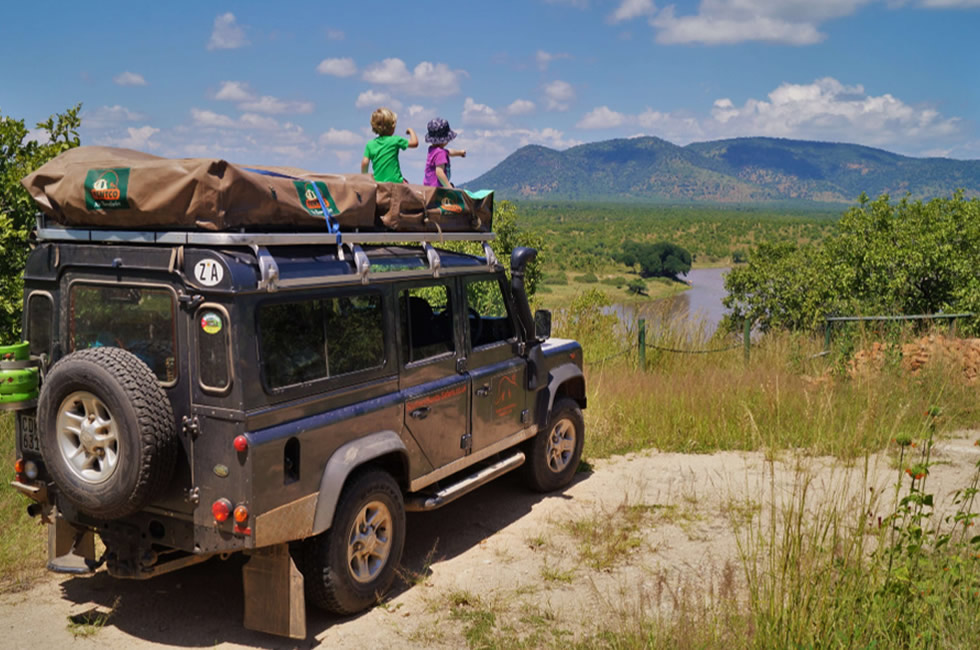
Undertaking a family Vacation is similar to setting sail on a monumental adventure, promising respite from the usual and creating unforgettable bonds and experiences. The idea of venturing into new Safari destinations like Uganda and Rwanda, as well as sharing tales of these travel experiences with your loved ones is undeniably thrilling. However, when the passionate chitchat of young travelers is added to the mix, the safari is likely to take a new dimension that needs heedful planning as well as a touch of creative problem-solving.

If you’re a parent, you will attest that Vacations to Africa or anywhere in the World with kids can be a double-edged sword, but it doesn’t have to be a challenge. There is always the joy is witnessing their delight and wonder yet also the emerging concern of possible meltdowns as well as logistical challenges. However, fear not because with a little planning and some important tips, you can ensure that your Vacation is a memorable experience for the entire family. Mum and Dad Uganda Tours delve into the comprehensive guide to turning your Vacation with kids into a seamless, stress-free and memorable escapade. Therefore, here are the important tips for a fantastic Vacation with kids;

Plan in advance

Your safari doesn’t begin from the moment you leave home to take a flight to Uganda or Rwanda, but instead with meticulous planning. In so doing, anticipation will be met with preparedness. Planning ranges from securing the best and child-friendly accommodations that will ensure easy and smooth transportation to/from activities for the entire family, and also makes it easy to foresee possible obstacles. This makes it easy to address them before they even become stress factors. Whether you are looking to a guided safari or self drive in Uganda, it is always important to plan your journey well in advance.

Involve children in the planning process.

You won’t be sure your kids will love the activities selected for the Vacation until you involve them in the planning process. Therefore, let them be part of the Vacation planning process by asking them which activities/adventures or attractions they would love to visit. You can also allow them choose some of the safari destinations or even activities hence providing a sense of ownership as well as increasing their enthusiasm and engagement.

Pack wisely (pack light).

One of the most important packing tips we give travelers is to “pack everything that is required in the carry-on luggage”. The last thing anyone wants to do during a vacation is always worrying about managing and carrying everyone’s huge suitcase. Instead of checking luggage, trying to imagine what to do if luggage gets lost or is misplaced, and waiting for it on the other side of the luggage carousel, it is recommended to pack only what you need and can move around with much faster. Additionally, light luggage is easier to carry when changing Hotels/Lodges, and destinations. One way to prepare for your Vacation with Kids is packing healthy snacks, a first aid kit, engaging toys, and appropriate clothing. Don’t always overlook essential medications, extra clothing to cater for unforeseen accidents and spills. Packing essentials incredibly reduces stress throughout your Vacation.

Always keep your kids’ ages in mind while planning and packing, For instance, you will need extra blankets, pacifiers, few toys and others when traveling with younger children. Older children will prefer card games, music, books and electronic devices, but also remember safety should be top of mind.

Don’t stuff too many activities into the itinerary

Many travelers operate with the “fear of missing out” which we can abbreviate as “FOMO”, hence stuffing too much into their safari itinerary. This isn’t a good idea when going on Vacation with kids. In the realm of a Vacation, where the unexpected usually becomes the highlight of the trip, a well-thought-out itinerary that includes flexibility will serve as a road map instead of a strict set of instructions.

It’s okay to have a full itinerary with many activities and little downtime when traveling solo, as it will be possible to make the most of your experience. But here’s the fact: Children need breaks. In fact lots of breaks, otherwise they will get irritated and you end up running you’re a Vacation which you had planned for a long time. Therefore, leave enough space for their interests or needs to avoid mood shift. Always include relaxing day/s at the Lodge/Hotel, a cozy day with movies and games in the rooms, as a way of finding balance between activities and relaxation.

You can also add entertainment to the program to ensure a smooth and enjoyable safari experience. These include electronic devices, games, diverse books and others that will keep children engaged and happy throughout the Vacation.

Choose children-friendly safari destinations

Selecting the perfect safari destination for a Vacation with kids involves several considerations, and one of them is choosing places that specifically cater for the needs of families with children. While planning for your Vacation with your loved ones, choose Safari Lodges and Hotels that provide several children-friendly amenities as well as activities to elevate your Vacation experience to a new level. This will become a trip perfectly tailored to your outstanding needs as well as interests.

Savor every moment

Always remember to savor every moment during the Vacation with kids. That is the time to make memories and be present in the moment. For this reason, take your time to treasure the little smiles and see the World through the eyes of kids.

Wildly Magical Workplace Weddings

0

Not many people would choose to get married at work. But when your office is Ant’s Hill, it’s a different story.

Ants employees (and happy lovebirds) Lara and Adam, as well as Rosie and Nick, recently experienced the romance of Ants first-hand when they opted to have their weddings at the lodge!

We chatted with the two separate blushing brides to find out a little more about what it took to plan their two weddings in the bush and why it is all completely worth it…

What is your position at Ants?

Lara: Adam works as head of guides and assistant to Fred, the general manager. He is also taking care of the sable breeding project. I work as relief lodge manageress and assist the stable manager, as well as a horseback guide and trainer.

Rosie: I started as a volunteer and was a guide. Nick started as a guide and worked his way up to head guide and stable manager.

Why did you decide to get married at Ants?

Lara: When Adam and I were looking for a venue, we simply realized that nowhere else is as beautiful as Ants!

Rosie: Both Nick and I had always wanted to get married on horseback. After our time as lodge managers in Malawi, Nick asked me to marry him and we thought where better than the place we fell in love – Ants!

How much planning and prep did the big day take?

Lara: It was not stressful to plan the wedding. The Worldsview sundowner spot at Ant’s Hill is so breath-takingly beautiful, we didn’t even need to worry about décor!

Rosie: It took about 3 months of planning as prepping as getting food and tables out to the bush for 60 people can be quite a challenge! But, thanks to a very helpful team of family and friends, we only took 2 days to set up the wedding and reception venues.

Did you encounter any problems?

Lara: Just before the ceremony, there was dark clouds and a thunderstorm brewing in the distance and I was freaked out by the thought of a rainy wedding! But luckily the clouds stayed away and we had the most amazing sunset.

Rosie: Up until 2 weeks before the wedding we still hadn’t organised the tables and chairs and for a while we thought we might have to get everyone to bring their own chair!

What was your favourite part about your special day?

Lara: Nikki, the lodge manageress of Ants Hill, planned an amazing dinner with delicious game meat! Wiehan and Leann, staff from Ants Hill, got our horses shining and everything worked out so well.

Rosie: For me, it has to be arriving at the wedding spot and seeing everyone going ‘wow!’. Nick and I both arrived at the wedding on horseback. Nick’s favourite moment was seeing me arrive.

There is something wildly magical about being serenaded down the aisle by the sounds of the bushveld and saying your vows under the wide open African sky. With its unspoilt wilderness, spectaculars views and sunsets, and abundance of wildlife, a wedding in the Waterberg is the stuff of safari dreams!

Click here to find out more about the romance of Ant’s Hill.

Crocodile vs Alligator

0
Botswana Crocodile

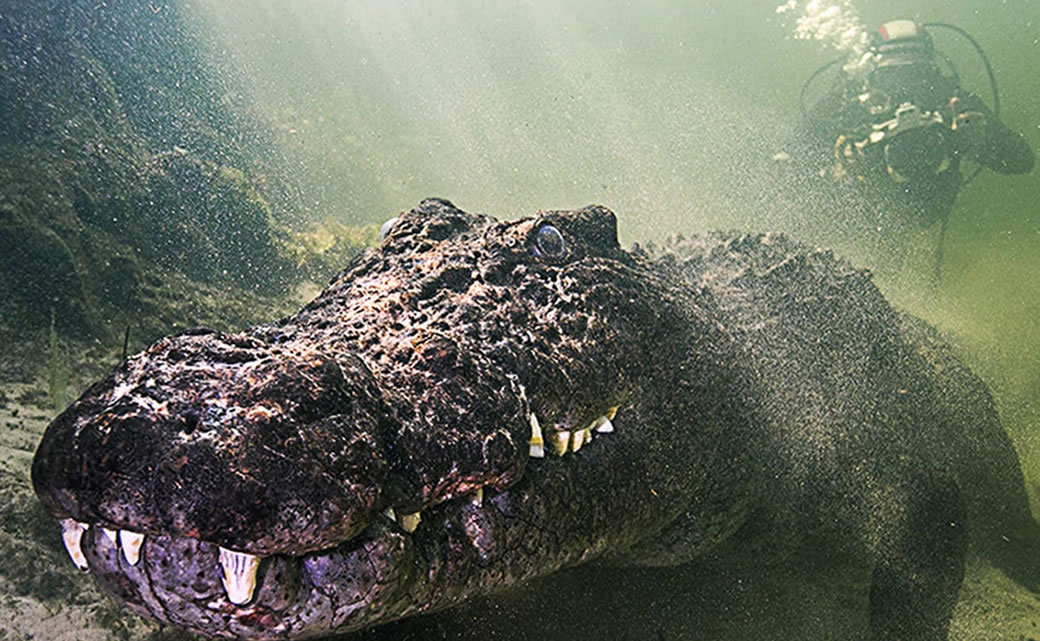
Many people are unaware of the difference between an alligator and a crocodile and will even use the words interchangeably. However, coming from different biological families, there are distinct differences between the two. Also listed here are some great spots within Africa to see Crocodiles (but you’ll find no Alligators on this continent we’re afraid!)

Habitat:

Alligators live only in the south-eastern US and eastern China, whereas crocodiles can be found across the world in Africa, Australia, Southeast Asia, North America, South America, and Central America.

A crocodile can better tolerate saltwater due to specialized salt glands for filtering out salt, which are present, but non-functioning, in alligators. This difference explains, for example, why crocodiles have managed to spread across the islands of the Caribbean, and alligators haven’t.

Physical differences:

  • General size
    A full-grown crocodile will likely be several feet longer than an adult alligator.
  • Head
    The most obvious difference is that crocodiles have a narrower and longer head and a more V shaped snout compared to the U shape of the Alligator.

Example of an alligator’s U Shaped head

  • Toothy grin
    The upper and lower jaws of the crocodiles are the same width, and the teeth in the lower jaw fall along the edge or outside the upper jaw when the mouth is closed; therefore, all teeth are visible, unlike an alligator, which possesses in the upper jaw small depressions into which the lower teeth fit.

Lurking toothy crocodile at St Lucia Estuary

  • Toes
    Crocodiles also have more webbing on the toes of the hind feet
  • Colour
    Crocodiles are generally lighter in colour than alligators.

Behaviour:

Alligators, while certainly dangerous, are relatively timid compared to crocodiles. An alligator will generally try to escape if approached by humans, usually heading for the nearest water. Crocodiles, on the other hand, are more bad-tempered and far more likely to attack humans, even unprovoked

On land and in water, crocodiles are usually slower than alligators and as they are a tropical species they are also far more sensitive to the cold.

Some of the places to see wild crocodile in Africa:

1) Zambezi River, Zambia & Botswana
The Nile Crocodile is endemic to the Zambezi River and Tongabezi Lodge sits right on the banks of this fourth largest river in Africa. The lodge offers twice daily boat trips out to spot crocs that sit basking on the shores or in their log-like camouflage in the river itself. You will also see a lot of hippo too! If you want to go further afield then day trips are offered into Chobe National Park in Botswana which is the gateway through to the Okavango Delta – another popular croc hang out.

Crocodile by the Zambezi. Photo credit to Ann Lewinsky Photography

2) Mara River, Northern Serengeti, Tanzania
The migration of nearly two million wildebeest and zebra across the plains of Tanzania’s Serengeti and Kenya’s Maasai Mara is one of the oldest and last great land migrations on earth. The crossing of the Mara River in the Northern Serengeti has become an iconic safari event with many Nile Crocodiles just waiting in anticipation for their prey to make a run for it. A good place to stay would be Nomad’s Serengeti Safari Camp

3) Kruger National Park, South Africa
Most people focus on the big five when they think of Kruger National Park but it offers so much more. Crocodile Kruger Safari Lodge is aptly situated on the banks of the Crocodile River and with a name like that we needn’t say anymore!

4) St Lucia Estuary, KwaZulu-Natal, South Africa
This estuary offers an abundance of birdlife, hippo as well as Nile Crocodiles. You can take canoes out or if you are not that brave then a boat trip will probably do. Makakatana Bay Lodge is a great base.

Gorillas are Not Violent and are Worthy Visiting

0
Gorilla Tourism

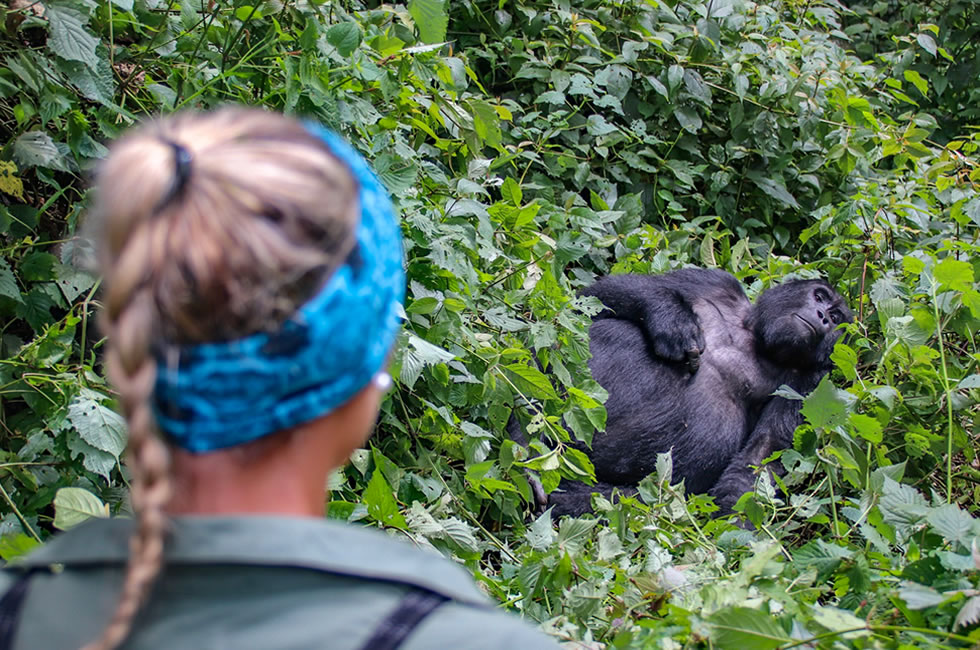
Have you watched the planet of Apes or the King Kong Movie? After watching some movies you may think that gorillas are violent creatures! Gorillas are not violent and are worthy visitinng in the tropical rain forests of Uganda, Rwanda and the DR Congo. Gorillas are the dominant primates that fall in ape species. Gorillas are found in ten countries in Africa. They are found in Uganda, Rwanda, Democratic Republic of Congo (DRC), Central African Republic, Congo Brazzaville among others.

Mountain gorilla tourism is one of the most developed forms of tourism. The major trekking destinations include;Bwindi Forest National park and Mgahinga National Park in South Western Uganda, Virunga National Park in the Democratic Republic of Congo and the Volcanoes National park in Northern Rwanda. Other parks where you can see other species of gorillas while on safari are;

  • Odzala National Park in the Republic of Congo
  • Kahuzi Biega National Park in Bukavu, Eastern DR Congo

Gorillas are believed to be violent but they are not! They can be violent only when disturbed or when they suspect that there is an enemy. Hardly do gorillas initiate fights but can defend themselves against danger. Within the national parks of the Virunga, gorillas have killed poachers who always come in their natural habitats to smuggle some of the wildlife within the park. Gorillas move in groups which are led by mature male called silver back.  They are humble but become violent when attacked.

Gorillas trekking is known to be the major tourist activity in any country where Gorillas are found. Gorillas earn a lot of foreign exchange – in Rwanda, the Gorilla permit cost US$ 1500, Uganda at US$800 among others.

Meeting Gorillas in their natural habitat is a life time which everyone should enjoy before death.  That is why the number of visitors moving for gorilla safaris increase every day amidst high trekking cost/ expensive Gorilla permits, Air tickets, visas and accommodation costs among others.

Looking into the eyes of the endangered mountain gorillas is memorable. Meeting gorillas in their natural environment enable trekkers to take photos and films up close. Such photos can be uploaded on websites, bill boards and so on hence promoting business.

Gorillas themselves are entertaining or dramatic to amuse trekkers. Gorillas are found jumping from one tree to another to entertain visitors.

Gorillas are intelligent and are capable of using tools like sticks, stones and so on in their routine work. They can slow stones to the enemy, can use sticks to get fruits from trees, they can also build nests to sleep in.

They nurture their young ones just like human beings. The young ones are trained how to jump, climb, hunt, feed, run and so on. They do it to prepare them face future challenges.

Gorillas are among the rare primates which are found in few countries on African continent. They are unique and visiting them is a life time event which every human being should do before going for eternal life.

Gorillas stay in the wild and they stay in groups for security reasons and they fight in groups. Gorillas do not what anybody to challenge them so; trekkers are advised to remain humble when they visit the gentle giants.

Gorillas also communicate amongst themselves and they use different communication sounds in different circumstances. When attacked they make different sound from that when they land on the plenty sources of food.

Gorillas are treasured to extent of being treated by expert primatologist doctors -well known internationally. That testifies why Gorillas are worth visit!

Best Places to See Bonobos in the Wild

0
Congo Bonobos

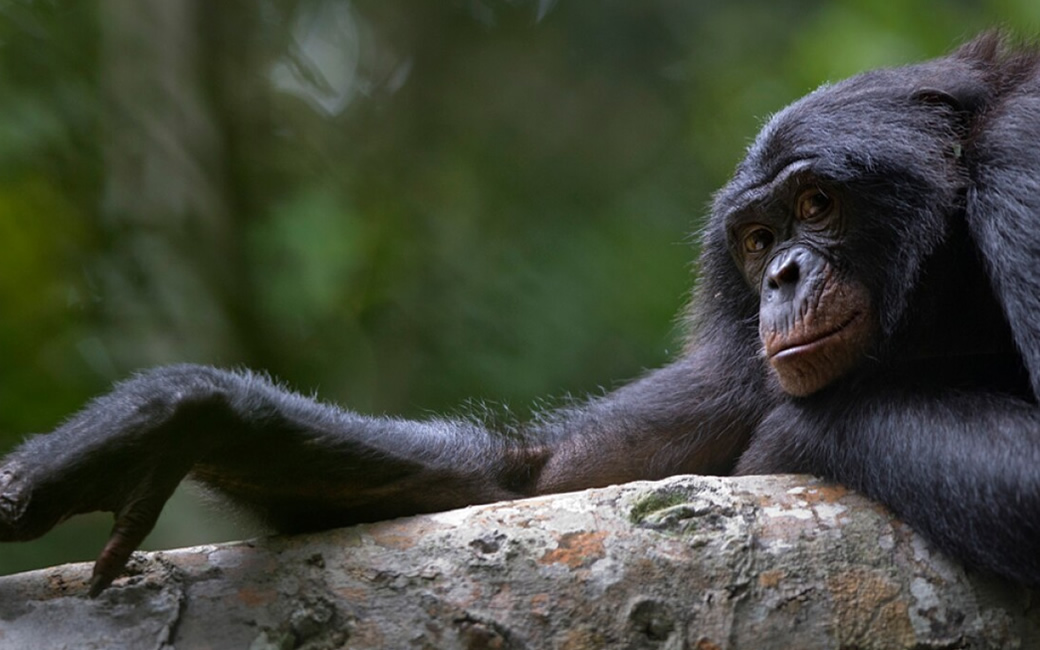
If you are a primate lover planning to travel to Africa to explore some of the most exceptional primate species, then the Bonobos are what you cannot afford to miss on your safari. The Bonobos, scientifically known as Pan Paniscus were originally referred as the Pygmy/Dwarf/gracile chimpanzees. These exceptional creatures have often been mistaken for chimpanzees, but they are different much as they are all sub-species of the Genus “Pan” and share 98% of their DNA with mankind. The Bonobos are eminent for their comparatively longer legs, dark face, pink lips and their tail-tuft in through maturity and scattered long hair on their heads.

These fascinating mammals are found in an area of 500,000 square kilometers (190,000 square miles) of the great Congo basin in the Democratic Republic of Congo (DRC) in the Heart of Africa. This means that if you desire to discover these exceptional primates in the wild, you will only have to do it within this wonderful African country. They are listed under the IUCN Red List of endangered species and currently their number is estimated between 30,000 and 50,000 individuals. Therefore, this article brings you some of the spectacular places to see the Wild Bonobos within the Democratic Republic of Congo.

Kokolopori Bonobo Reserve

This Bonobo Reserve is situated in Tshuapa district in the Equatorial Province and was established in 2009 as a Reserve by the Government of Democratic Republic of Congo. This site is a home to the largest population of Bonobos and there are currently four habituated Bonobo groups that can be tracked daily by tourists. Kokolopori Bonobo Reserve covers an area of 4785 square kilometers and is a haven to more than 1000 Wild Bonobos.

Lomako Yokokala Faunal Reserve

The magnificent Lomako Yokokala Faunal Reserve (RFLY) is one of the fascinating places where you will see the Bonobos. This Reserve is part of the Maringa Lopori Wamba Forest landscape (MLW) that covers an area of 74,000 square kilometers (29,000 square miles) and situated in North-central Democratic Republic of Congo. However, the Lomako Yokokala Faunal Reserve was created in 2006 and spans at 3625 square kilometers/1400 square miles.

Lui Kotale

This site was created in 2002 at the Southern edge of Salonga National Park, at the southern side of River Lokoro mainly to conserve the endangered Bonobos and elephant populations. Much as the Bonobos are the stars of the Show in this site, other mammal species exist and they include the Red river hogs, Bongos, elephants, buffaloes, Bongos, Sitatungas, leopards, several species of duikers, the Mangabeys and the Angola colobus among others.

Lac Tumba

The Landscape of this site covers an area of 126,440 square kilometers, shared by two countries – the Democratic Republic of Congo (DRC) and the Republic of Congo (Congo Brazzaville). Besides being a home to the Bonobos, several primates-including Angolan Colobus, the Black Mangabey, the Red-tailed monkeys, the DeBrazza’s monkeys and the Allen’s Swamp monkeys call this site home.

Besides the Bonobos in the wild, tourists taking safaris in DR Congo can see the Bonobos within the Lola ya Bonobo Sanctuary, located just 90 minutes drive from Kinshasa City Center. This sanctuary is the only Bonobos Sanctuary in the World and currently only 60 orphaned Bonobos are found within the place.

In conclusion, if you are someone that enjoys exploring exceptional wildlife and destinations, then Lac Tumba, LuiKotale, Lomako Yokokala Faunal Reserve and the Kokolopori Bonobo Reserve must not miss on your bucket list because they shelter populations of Bonobos in the wild.

Chimpanzee Tracking in Uganda Vs Rwanda

0
Chimpanzee Tracking in Kibale

Have you ever thought about going on a chimpanzee tracking safari in Africa? Chimpanzee Watching is one of the interesting adventures that travelers seek for in East and Central Africa. Chimpanzees are among the known six apes! These primates that share more than 98% of human DNA and thus they are our distant cousins! There are a few destinations where travelers can enjoy chimpanzee tracking and the most popular are Uganda, Rwanda and Tanzania. Here is a review on chimpanzee tracking in Rwanda vs Uganda;

Uganda is a primate capital of Africa due to the fact that many of the primates colonized the tropical rain forests of Uganda. Apart from gorilla trekking, the next best activity in this country is chimpanzee trekking in the tropical rain forests of Uganda.

In Uganda, there are many forests that host wild chimpanzees and the areas that have habituated chimpanzee communities. Top places visited on Uganda safaris that feature chimpanzee tracking include Kibale Forest National park in western Uganda, Budongo Forest in northern Uganda, Kyambura Gorge in Queen Elizabeth National park, Semuliki National Park and Kalinzu ecotourism site. The other exsitu conservation areas where one can see chimpanzees in Uganda include Uganda Wildlife Education Centre (UWEC) and Ngamba Island in Entebbe.

In Rwanda, the chimpanzees are found in Nyungwe forest National Park and in case you get to visit Rwanda, this is the best place to see them.

In Rwanda, a chimpanzee permit costs $ 200 per person per trek and in Uganda, the different places have got different prices. In Kibale, the permit is at $250 per person, in Kyambura Gorge, its costs $150, in Budongo, it’s at $80 and in Kalinzu at $150. At the zoo, you get to pay entry fees and you will have access to the chimpanzees.

In Nyungwe forest, the chimps are semi habituated and this needs the tourists to wake up so early and look for them and in Uganda, the chimps are fully habituated and are used to the people and the experience is so different.

In Uganda, chimp trekking takes up half day while in Nyungwe Forest, you can’t rule how long you will spend looking for the chimps since their movements are so unpredictable.

More so, in Uganda, the chimps live in communities and then divide into small groups that are called the parties due to the efforts of trying to reduce the competition on food. These will then come together in the evening to make up their nests for sleeping. During the trek, you will be briefed and 6 people will trek a given party in order to avoid the congestion, since these parties keep joining and separating, you may also find yourselves separating and joining.

Within Uganda, the guests can enjoy the chimpanzee habituation in Budongo and in Kibale National park. In this activity, the tourists will move with the researchers and also participate in the habituation of new communities. The price for this activity is also higher due to the fact that it takes the whole day and not one hour.

Similarities

Uganda and Rwanda have got a few similar things and the people will visit these two countries either to view the gorillas or the chimpanzees as well as the golden monkeys.

How to Safari in Uganda on Budget

0
Ugandan Elephants

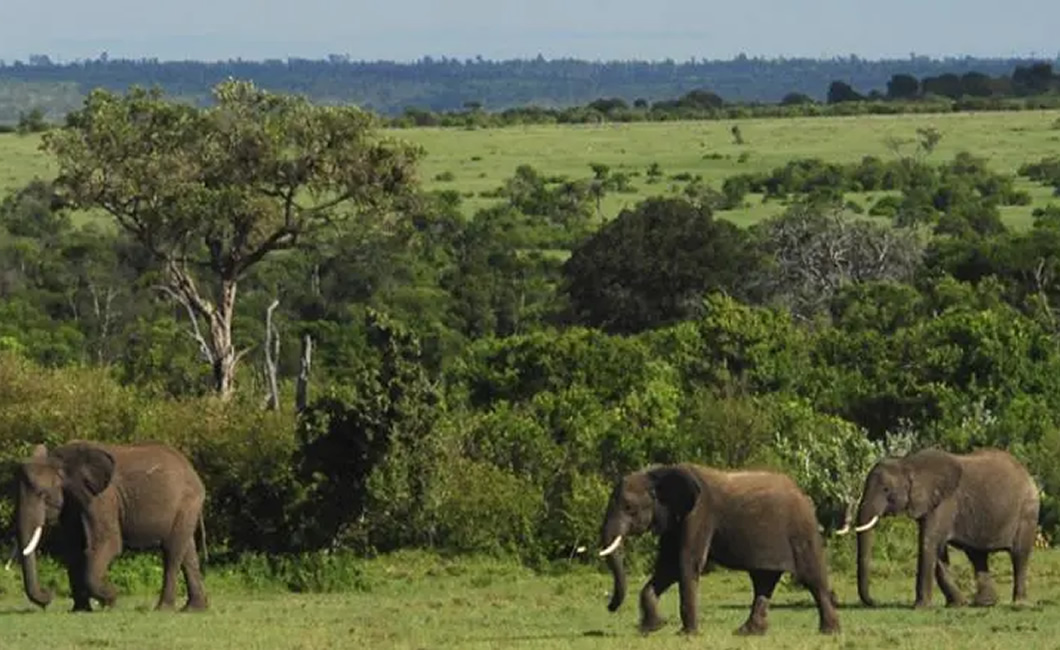
Uganda is located in East Africa. It is bordered by Kenya in the east, Tanzania in the south, Rwanda in south west, and DR Congo in the west.

Most travelers may perceive that Eastern Africa safaris as expensive but Uganda is one of the destinations you can visit for those who want to an ultimate safari but don’t have much to spend. The reason to travel to Uganda on budget is you can find a lot of adventure activities to do, book online budget tour operator who can offer you deals to travel as a group and visit during the low season from March, April to May and October to November.

Choose the places to visit in Uganda

Gorilla trekking is a highlight of any trip to Uganda. Make your journey to Bwindi Impenetrable National Park in South Western Uganda, home to half of the world’s mountain gorillas. For adventure travelers wanting to safari on budget, a gorilla permit cost is $600 US but you can find your way out by camping or staying in rest camps outside the national park. Mgahinga National Park offers the best way to camping and gorilla trekking, one of the wildlife experiences on top in East Africa.

Visit national other national parks for wildlife viewing  

If gorilla trekking seems too expensive for your budget safari, Uganda has several national parks where gamer drives cost $20 and boat cruises $30. Some of the parks for wildlife viewing are Lake Mburo, Murchison falls national park, Queen Elizabeth national park and Pian Upe Wildlife Reserve. You can arrange a safari or depending on your choice, you get to some of these parks by public transport and self driving. To keep costs within your budget, make sure to stay in budget accommodations. Dormitories, self and non self contained bandas, tents, hostels such as Mweya in Queen Elizabeth national park, are extremely affordable starting as low as $10 US per night if compared to lodges that charge over $100 per night. Game viewing starts at early at 06:30 or 07am, so you should be close to the park offices to be on time for game drive with rangers.

Besides game viewing, lots of activities can be done in parks such as hiking, nature walks, birding. Mgahinga gorilla national park in southwestern Uganda is home to 3 dormant volcanoes proving the best volcano hiking trails. Hiking excursions range from take 6-8 hours depending on the volcano you choose to hike. The park has the best campsites starting at $40 per person.

Visit Jinja for thrilling white water rafting and outdoor adventures

The Nile, the world’s longest river has its source in Jinja located eastern Uganda about 1 hour drive from Kampala. The Nile itself is one of the 7 natural world wonders, plus its budget friendly adventures are enough for travelers wanting to safari in Uganda on budge.

Jinja is nicknamed the adventure capital of East Africa with a variety of outdoor adventures to do on a weekend or just for a day trip. Jinja offers outdoor adventure activities such as white water rafting, kayaking, horseback riding, and quad biking, swimming, cycling, and biking. In addition, Jinja is just along the Nile, it boasts beautiful scenery and weather, affordable guest houses, campsites, restaurants. Also easy to get there by public transport unlike going to some national parks, the highway from Kampala city takes you straight to Jinja. You just need to know the time to particular activities. For instance rafting starts in the morning while the rest can be done any time of the day. Taxis, bus coasters depart Kampala any time of the day. You can hire a car and self drive to Jinja safely.

Accommodations

Staying in affordable accommodation is one of the best ways to safari in Uganda on budget.  Accommodations in Uganda national parks range from budget, mid-range and luxury lodges to community rest camps, guest houses, cottages, dormitories to bandas owned by Uganda wildlife authority. There are options to get where to stay in any national park you choose to visit.

Not all safari lodges are expensive. There are those offering basic accommodation and in their rooms you can find amenities such as, good beds, hot and running water, and flash toilets. Visitors can stay on the basis of bed and breakfast, half or full board. There are also basic huts or large tents with pit latrines, simple beds, bathrooms which are separate and hot water will be heated. For instance in Ishasha sector of queen Elizabeth national park.

In Murchison falls national park, there are also lazy bush camping tented lodges which offer accommodation starting around $70 for those sharing and $80 for single occupancy. These have solar power are mostly located in the bushes along the Nile.

If you opt to stay in tented camps, some provide beds while others require you to pack items for sleeping comfortably.

Questions to Ask Before you Go on an African Safari!

0
African Safari

So you’ve almost finished planning and putting all the ifs and buts to rest… You think you are completely prepared? But you may be wrong! When visiting Africa, a place that is guaranteed to be very different from the places you may have grown up in, you need to walk through a basic precautionary checklist…

Health comes first, so let’s start with the vaccinations you need to take to avoid major illnesses on your African Safari:

  • Hepatitis A and B
  • Typhoid
  • Tetanus Diphtheria
  • Polio
  • Rabies
  • Yellow Fever

Second in line are papers and Documents

Make sure you have the entire passport and Visa documents ready and in order. Did you know that the requirements differ from country to country? And without the right permits and papers you would be stuck. Also there are a number of safety certificates (like a yellow fever vaccine certificate) you will need to produce. Make sure you are prepared.

And of course you should never travel without insurance to any place

As you already know, all tour companies will strongly urge you to get insured before you start your travel.  And when it comes to a question of your essential things and your well being in a different continent, spending some extra cash over and above the other expenses seems like a small price to pay!

These will be available from major credit card companies, as well as from the airlines. Also if you choose it, then your travel company is probably providing you with trip insurance.

It is also advisable to first do a survey and find out what all they cover before you choose the right insurance. Something that covers emergency medical costs and financial needs is the best option.

And now for the mixed bag!

  • Do your homework so that you don’t fall prey to any safari scams. The best way to do this is ask for genuine references.
  • Also make sure you are fit and take the required medicines and things to tackle any eventuality.
  • Also find out about the animals and make sure you know how to stay safe in whatever region you are going to.
  • Be  aware of political situations when you plan. You do not want to land up in the middle of political unrest.
  • And most importantly, never flash your valuables. Keep your money and valuables safe because crimes and robbery are not uncommon in Africa.
  • Pack according to where you will go and take the things you will need.

And now that you have the precautions checklist taken care of, prepare to enjoy!

Click one of the links below to view for Malaria free Safaris:

  • Kalahari GR (Botswana) trips
  • Addo Elephant NP (South Africa) trips
  • Augrabies Falls NP (South Africa) trips
  • Etosha NP (Namibia) trips
  • Pilanesberg NP (South Africa) trips
  • Tsitsikamma NP (South Africa) trips
  • Welgevonden GR (South Africa) trips